
Every few years, someone declares door hanger marketing dead. And every few years, local businesses keep filling their calendars with it. So which is it? In a world of AI-generated ads, hyper-targeted social campaigns, and inboxes that feel like landfills, does hanging a piece of cardstock on someone’s front door still actually work?
Short answer: yes, and arguably better than it has in a long time. The reasons are more interesting than nostalgia, though, so let’s get into them.
Key Takeaways
- Door hangers cut through digital noise because they’re physical and unavoidable.
- Response rates of 1 to 5 percent still beat most online ad benchmarks.
- Better targeting and tracking tools make today’s campaigns smarter than ever.
- Pairing door hangers with mail or digital ads compounds the results.
- The businesses winning with this channel treat it like a system, not a stunt.
The Channel That Refuses to Die
Digital fatigue is real. The average person sees thousands of ads a day and remembers almost none of them. Ad blockers are everywhere. Email open rates keep slipping. Social platforms keep changing the rules on you the moment you figure them out.
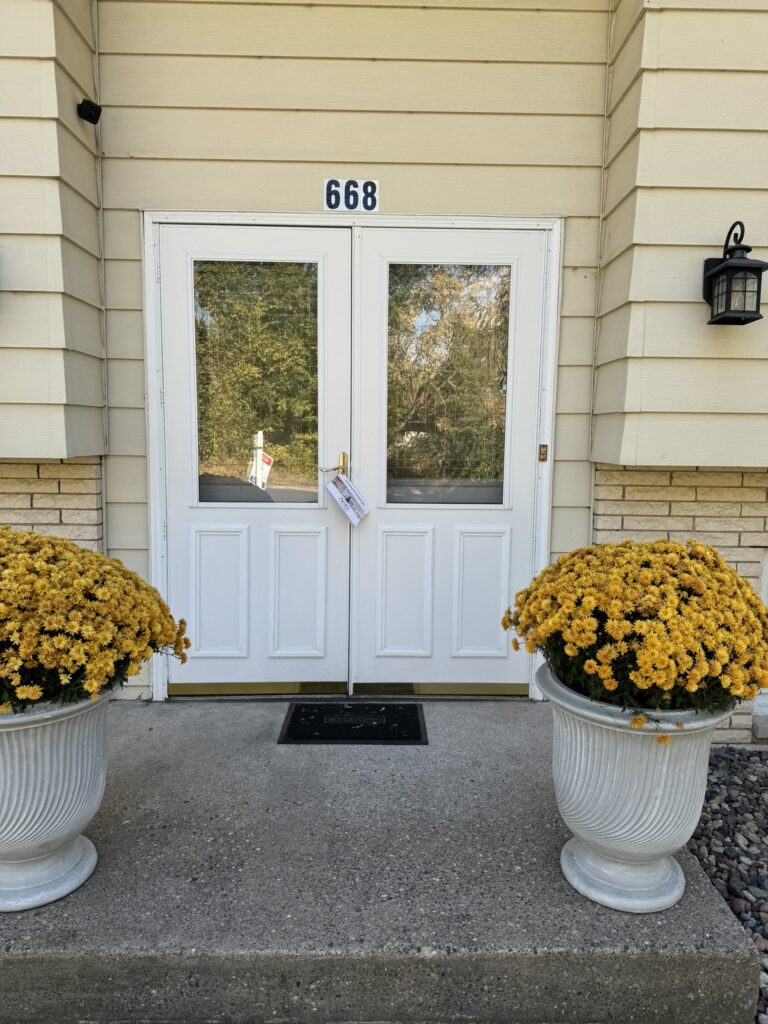
A door hanger plays by different rules entirely. It sits on the front door waiting to be physically removed before anyone can walk inside. There’s no “skip ad” button on a doorknob, no algorithm deciding who sees it, no spam folder catching it on the way in.
That’s exactly why door-to-door marketing in 2026 looks less like a relic and more like a competitive edge. While your competitors burn budget on cost-per-click bidding wars, you can put your offer directly in your customer’s hand for under a dollar a home. Same goal, fraction of the price, and a much harder message to ignore.
The Numbers Still Tell a Good Story
Of course, none of that matters if the math doesn’t work. Skeptics love to ask about door-hanger advertising ROI, and honestly, it’s a fair question. Marketing has to pay for itself, or it’s just a hobby.
Here’s what the data consistently shows:
- Around 79% of consumers read, keep, or pass along door hangers they receive
- Industry response rates typically land between 1% and 5%
- Cost per home runs about $0.99 with verified delivery services
- Many local businesses report a 10:1 return on investment
Run the math on your own job value. If your average ticket is $400 and you drop 2,500 hangers at $0.99 each, you only need about six jobs to triple your investment. That’s a 0.24% response rate. Most well-run campaigns clear that hurdle without breaking a sweat, which is more than you can say for a lot of pricier ad channels.
What’s Actually Changed Since the “Old Days”
The math holds up partly because the channel itself has quietly evolved. Door hangers aren’t new. What’s new is everything around them.
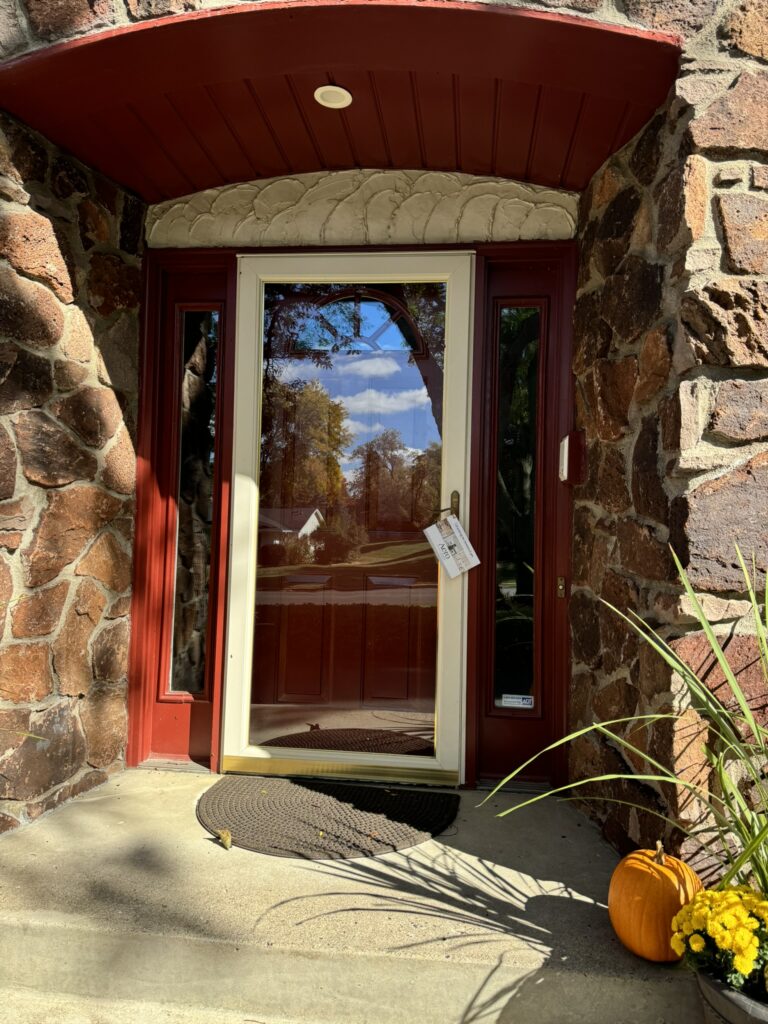
Today’s door hanger delivery services come with GPS tracking and photo verification, so you can see exactly which homes were hit and when. No more wondering if the kid you hired dumped a stack in a parking lot.
A few other upgrades worth knowing about:
- Smarter neighborhood targeting using income, home value, and household data
- QR codes that route to landing pages built for the campaign
- Unique phone numbers and promo codes for clean attribution
- Real-time route maps you can watch from your phone
Put those tools together, and a modern door-hanger marketing strategy stops feeling like a gamble. It starts feeling like a measurable experiment, which is exactly what good marketing should be.
Where It Works Best
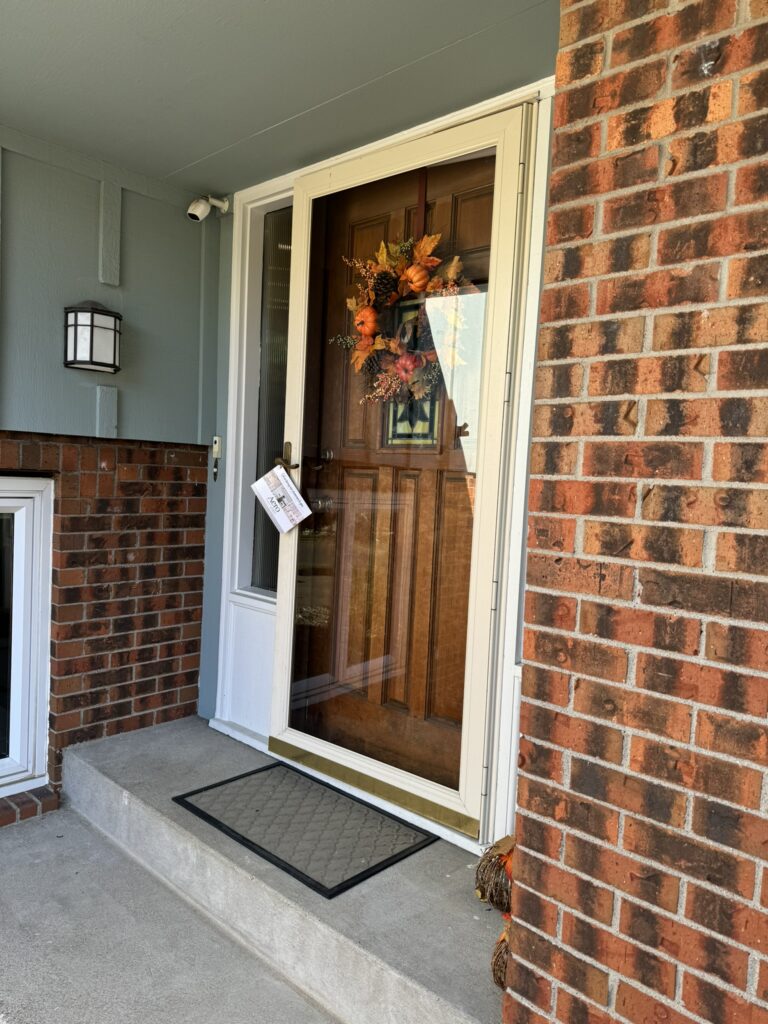
That said, door hangers aren’t magic for every business. The channel especially shines for local operators with a clearly defined service area, which is most of the people reading this. A few examples:
- Home services like HVAC, roofing, painting, plumbing, and pest control
- Lawn care and tree care companies targeting specific neighborhoods
- Insurance agents working a defined territory
- New restaurants or retail spots announcing a grand opening
- Contractors blanketing the streets around a current job site
If your customer is a homeowner, lives in a definable area, and your service has decent margins, door hangers usually earn their keep. The closer you can match the drop to where your ideal customers actually live, the better the math gets.
How to Make It Actually Work in 2026
Knowing the channel works is one thing. Running it well is another. A few principles separate the campaigns that print money from the ones that print regret:
- Pick neighborhoods on purpose, not by gut feel
- Lead with one strong offer and a clear deadline
- Make the design simple enough to read in three seconds
- Include multiple response paths: phone, QR code, and short URL
- Track every lead back to the campaign so you know what worked
Stacking channels is where things really get fun. Drop your door hangers in the same week a postcard hits the mailbox, and you’ve got two touchpoints reinforcing each other before the customer has finished their morning coffee. Pairing door hangers with direct mail and EDDM campaigns is one of the most underrated plays in local marketing right now, and it doesn’t take much extra effort to coordinate.

So, Does It Still Work?
Yes. Not because it’s nostalgic. Not because anyone is sentimental about cardstock. It works because it solves the actual problem most small businesses face: getting attention from real humans who live close enough to become customers.
In 2026, the businesses winning locally aren’t the ones with the slickest TikTok strategy. They’re the ones showing up at the right doors with the right offer, week after week, and tracking what comes back. Boring? Maybe. Profitable? Absolutely.
Ready to See What It Could Do for Your Business?
If you’ve been curious about door hangers but didn’t know where to start, that’s the easy part. The Paperboy team can help you map out neighborhoods, set up tracking, and run a test campaign that gives you real numbers to work with. Get in touch with us today, and let’s build something that actually moves the revenue line.